
Why Strong Quads Alone Do Not Protect the ACL
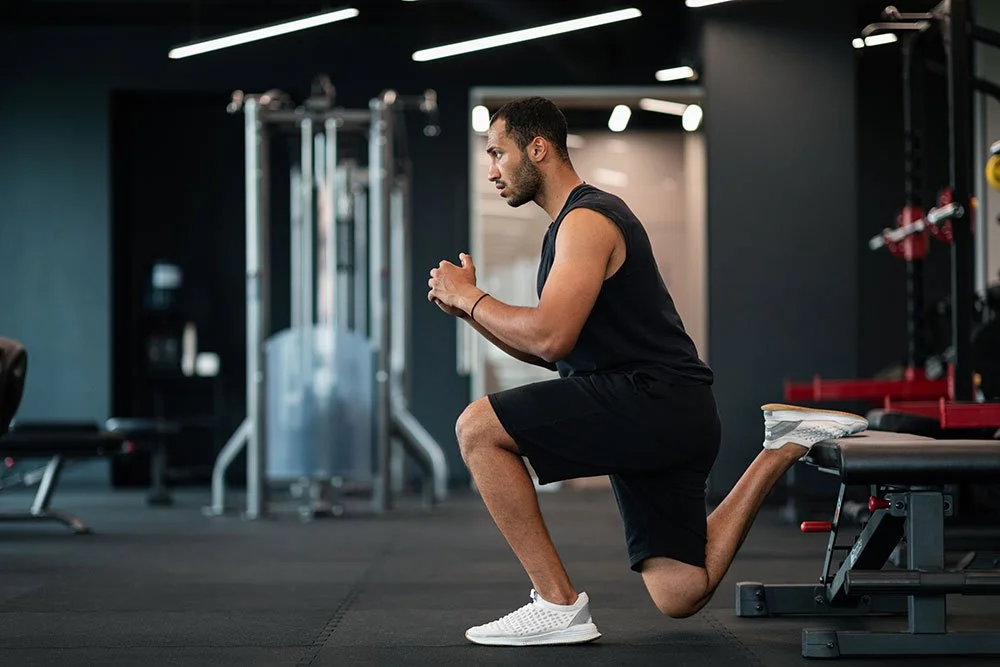
Athletes often believe that building stronger quadriceps is the key to protecting their knees. Squats, leg presses, and explosive quad focused training are staples in many strength programs. While powerful quadriceps are important for performance, they do not automatically protect the ACL.
ACL injuries continue to occur in highly trained athletes with excellent quad strength. According to Dr. William Sterett, knee specialist at Vail-Summit Orthopaedics & Neurosurgery and former U.S. Ski Team physician, knee stability depends on far more than one muscle group.
Understanding how the knee actually stabilizes during sport can help athletes train smarter and reduce ACL injury risk.
Key Takeaways
Strong quadriceps alone do not protect the ACL during cutting or pivoting movements.
The balance between the quadriceps and hamstrings is critical for knee stability.
Poor landing mechanics can overload the ACL even in strong athletes.
Hip strength, neuromuscular control, and coordination play a major role in injury prevention.
Athletes with knee instability or previous injuries may benefit from a second opinion with a sports medicine knee specialist.
What the ACL Actually Does
The anterior cruciate ligament, or ACL, is responsible for controlling rotational stability in the knee. It prevents excessive forward movement of the tibia and helps guide the knee during cutting, landing, and rapid direction changes.
These movements occur constantly in sports like soccer, skiing, basketball, and football.
“The ACL is most stressed during sudden deceleration and rotation,” Dr. Sterett explains. “That is when the knee has to stay perfectly aligned under high load.”
Strength alone does not guarantee that alignment.
Why Quad Strength Can Sometimes Increase Stress on the ACL
The quadriceps are responsible for extending the knee. During activities like jumping or landing, the quads fire to absorb force and stabilize the joint.
However, strong quadriceps without proper muscular balance can actually increase strain on the ACL.
When the quadriceps contract powerfully, they can pull the tibia forward. If the hamstrings are not firing effectively at the same time, that forward translation can place additional tension on the ACL.
“This is why balance between muscle groups matters,” Dr. Sterett says. “The hamstrings act as a protective counterforce to the quadriceps.”
Athletes with dominant quadriceps and relatively weaker hamstrings may unknowingly increase stress on the ligament during high speed movements.
The Importance of Hamstrings and Posterior Chain Strength
The hamstrings play a critical role in protecting the ACL because they pull the tibia backward, counteracting the forward pull created by the quadriceps.
Strong hamstrings help stabilize the knee during sudden deceleration and directional changes.
But the posterior chain extends beyond just the hamstrings. The glutes, hip stabilizers, and core muscles all influence how the knee moves during sport.
If those muscles are not firing properly, the knee may collapse inward during landing or cutting. This movement pattern significantly increases ACL strain.
“ACL injuries are rarely about one muscle,” Dr. Sterett explains. “They are about how the entire chain works together.”
Movement Patterns Matter More Than Raw Strength
Many ACL injuries occur when athletes land from a jump or plant their foot to change direction. In these moments, proper mechanics are essential.
If the knee collapses inward or rotates excessively, the ACL can be overloaded within milliseconds.
Even athletes with exceptional strength can tear their ACL if movement mechanics break down during high speed play.
Neuromuscular training programs that focus on landing mechanics, balance, and coordination have been shown to significantly reduce ACL injury rates in many sports.
These programs train athletes to control their body position during rapid movements and unpredictable situations.
Fatigue Changes Everything
Another reason strong quadriceps alone cannot protect the ACL is fatigue.
Late in games or training sessions, muscles begin to tire. Reaction time slows and coordination decreases. As fatigue sets in, athletes may lose the ability to control knee alignment during cutting or landing.
“Injuries often happen when fatigue changes movement patterns,” Dr. Sterett explains. “The body stops reacting as precisely as it did earlier in the game.”
This is why injury prevention programs often emphasize endurance, coordination, and neuromuscular control in addition to strength.
When Athletes Should Seek Expert Guidance
Athletes who experience knee instability, recurring swelling, or discomfort during cutting and pivoting should consider a thorough evaluation.
Sometimes subtle movement patterns or strength imbalances increase injury risk without the athlete realizing it.
Dr. Sterett frequently evaluates athletes who want to better understand their knee mechanics, reduce injury risk, or confirm a treatment plan.
Second opinions can be especially helpful when athletes are deciding whether surgery, rehabilitation, or additional training is the best path forward.
Final Thoughts from Dr. Sterett
Strong quadriceps are an important part of athletic performance, but they are only one piece of knee stability.
Protecting the ACL requires coordinated strength between the quadriceps, hamstrings, hips, and core. Just as important is the ability to control movement under speed, fatigue, and unpredictable conditions.
“A powerful athlete still needs control,” Dr. Sterett explains. “The ACL depends on the entire system working together.”
If you are dealing with knee pain, recovering from an ACL injury, or wondering how to reduce your injury risk, a detailed evaluation can help clarify the next step. Dr. William Sterett offers expert care and second opinions to help athletes protect their knees and return to the sports they love.