
Does Playing Multiple Sports Increase or Reduce ACL Injury Risk?
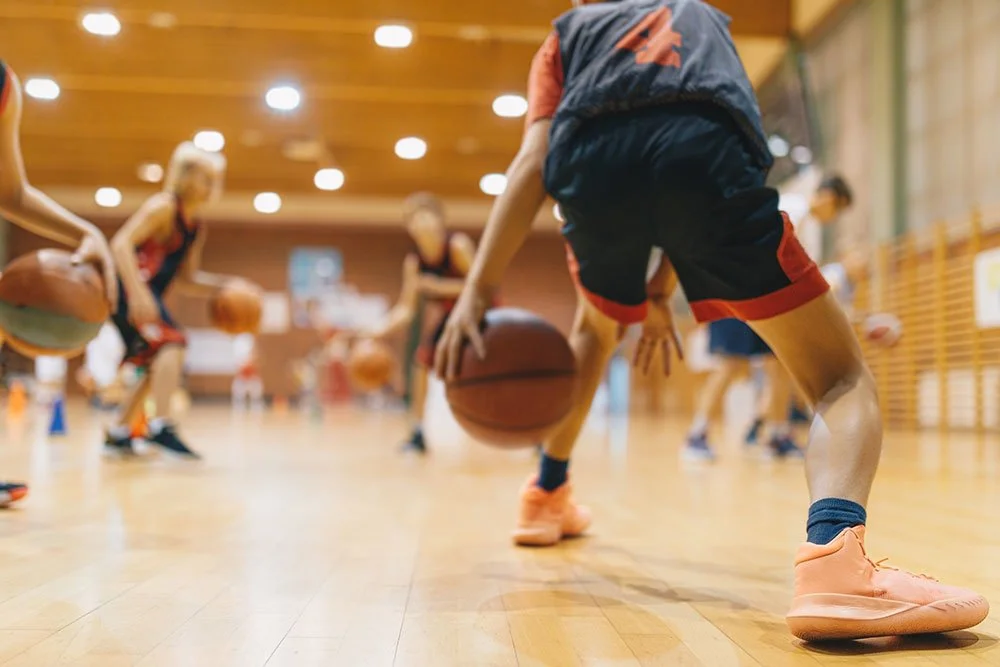
ACL injuries are one of the most concerning setbacks for athletes, especially those competing at a high level or across multiple sports. A common question Dr. William Sterett hears from patients is whether playing more than one sport increases the chance of injury or actually helps protect the knee.
According to Dr. Sterett, knee specialist at Vail-Summit Orthopaedics & Neurosurgery and former U.S. Ski Team physician, the answer is not as simple as more activity equals more risk. In many cases, multi-sport athletes may actually develop better movement patterns and resilience compared to those who specialize too early.
Understanding how different sports impact the body can help athletes and parents make informed decisions about training and injury prevention.
Key Takeaways
Multi-sport participation can improve coordination, strength, and overall movement patterns
Early specialization may increase repetitive stress and ACL injury risk
Neuromuscular control and movement quality matter more than sport volume alone
Fatigue and overtraining are major contributors to ACL injuries
A proper training balance can help reduce ACL injury risk in multi-sport athletes
The Debate Around Multi-Sport Athletes
For years, athletes were encouraged to specialize early in a single sport to gain a competitive edge. However, research and clinical experience are shifting that perspective.
“Playing multiple sports can actually be beneficial, especially in younger athletes,” Dr. Sterett explains. “It exposes the body to different movement patterns and reduces repetitive strain.”
When athletes perform the same motions year-round, such as cutting, jumping, or pivoting in a single sport, the stress on the knee becomes repetitive. Over time, this can increase the likelihood of breakdown in movement mechanics.
This is where multi-sport athlete injury risk becomes an important concept. Instead of increasing risk, diversified movement can often help reduce it.
How Multi-Sport Participation Can Help
Athletes who play different sports throughout the year often develop more balanced strength and coordination. For example, a soccer player who also plays basketball and skis is training the body in different ways.
This variety improves:
Balance and proprioception
Reaction time
Muscle symmetry
Movement adaptability
“All of these factors contribute to better control of the knee during high-risk movements,” says Dr. Sterett.
Better control means less stress placed on the ACL during sudden direction changes or landings. In this context, playing multiple sports ACL risk may actually decrease when athletes build a broader athletic foundation.
When Multi-Sport Athletes Are Still at Risk
While multi-sport participation has benefits, it does not eliminate risk entirely. Problems arise when athletes do not allow enough recovery time between seasons.
Year-round competition without rest can lead to:
Fatigue
Overuse injuries
Declining movement quality
“Fatigue is one of the biggest contributors to ACL injuries,” Dr. Sterett explains. “Even well-trained athletes can lose control when they are tired.”
This is where acl injury prevention sports training becomes critical. Without proper recovery and conditioning, even multi-sport athletes can experience increased injury risk.
Early Specialization and Repetitive Stress
Athletes who specialize in one sport at a young age often repeat the same movements over and over again. This can create imbalances and poor movement habits.
For example:
Soccer players repeatedly cutting in the same direction
Basketball players performing high-volume jumping and landing
Ski racers training similar turn mechanics year-round
Over time, these patterns can increase stress on the ACL, especially if neuromuscular control is not properly developed.
“Repetition without variation can be a problem,” Dr. Sterett says. “The body adapts, but not always in a way that protects the knee.”
In these cases, multi-sport athlete injury risk may actually be lower compared to early specialization.
The Role of Neuromuscular Training
Regardless of how many sports an athlete plays, movement quality is the most important factor in ACL injury prevention.
Programs that focus on:
Proper landing mechanics
Core and hip strength
Balance and coordination
Reaction training
have been shown to significantly reduce injury rates.
“Prevention is about how the body moves, not just how strong it is,” Dr. Sterett explains.
This is why acl injury prevention sports training should be part of every athlete’s routine, whether they play one sport or several.
Finding the Right Balance
The key is not simply playing more sports, but finding the right balance between training, competition, and recovery.
Athletes benefit most when they:
Rotate sports seasonally
Avoid year-round competition in one sport
Incorporate strength and conditioning programs
Prioritize rest and recovery
When managed properly, playing multiple sports ACL risk can actually shift in a positive direction, helping athletes build durability rather than increasing injury likelihood.
When to Seek an Evaluation
Athletes who experience knee instability, discomfort during cutting movements, or repeated soreness should consider a professional evaluation.
In many cases, subtle movement patterns or fatigue-related breakdowns can be identified early and corrected.
Dr. Sterett frequently works with athletes who want to better understand their injury risk, improve performance, or determine the safest path forward.
Final Thoughts from Dr. Sterett
Playing multiple sports does not automatically increase ACL injury risk. In fact, it often provides benefits that help protect the knee.
“Variety in movement can be a powerful tool for injury prevention,” Dr. Sterett explains. “But it still comes down to control, training, and recovery.”
Athletes who focus on movement quality, balanced strength, and proper rest are in the best position to reduce injury risk and stay active across seasons.
If you are concerned about ACL injuries, navigating training across multiple sports, or recovering from a knee injury, a detailed evaluation can provide clarity. Dr. William Sterett offers expert guidance and second opinions to help athletes protect their knees and continue doing what they love.