What Lindsey Vonn’s Career Shows Us About Knee Longevity in Competitive Ski Racing
Few sports place as much strain on the knee as alpine ski racing. Each run combines speed, compression, rotation, and impact forces that challenge joint stability in ways most athletes never experience. Lindsey Vonn’s career provides an uncommon opportunity to examine how a knee responds to that level of demand over many years of elite competition.
As attention turns toward the 2026 Winter Olympics, Vonn’s continued success after major knee surgeries highlights how advances in orthopedic care and rehabilitation have reshaped what is possible for high level ski racers.
Key Takeaways from Lindsey Vonn’s Career
Knee durability in ski racing is shaped by years of accumulated stress rather than a single injury.
Partial knee replacement can support a return to elite competition when anatomy and rehab align.
Podium finishes after surgery reflect training evolution and load control not chance.
Modern ski racing places increasing value on joint preservation across multiple seasons.
The Physical Cost of Elite Ski Racing
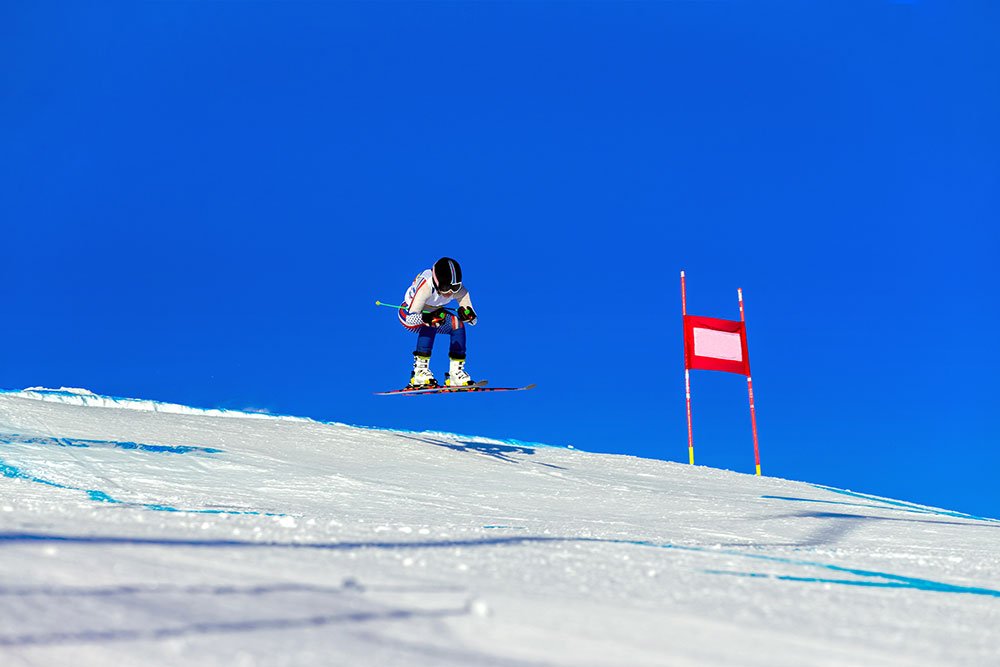
Downhill and super G racing demand the ability to manage extreme forces at speed. Each turn places compression and rotational stress through the knee while the athlete remains balanced on a narrow edge. Over time those forces add up.
Rather than one defining injury, most ski racers experience gradual joint breakdown. Cartilage wear, meniscus strain, and ligament fatigue often develop quietly until performance or pain forces intervention.
“In ski racing the knee is constantly adapting to load,” says Dr. William Sterett. “Even when athletes feel strong the joint is absorbing enormous stress.”
Partial Knee Replacement and Return to Competition
In April 2024, Lindsey Vonn underwent a partial knee replacement to address chronic joint damage after years of racing. The procedure focused on the damaged portion of the knee while maintaining as much natural structure and movement as possible.
Instead of signaling the end of her competitive career, the surgery marked a turning point. During the 2025 to 2026 FIS Ski World Cup season, she has opened with an impressive series of results including multiple podium finishes. Her ability to compete at that level again reflects careful rehabilitation and strategic training decisions.
“When only one compartment of the knee is the primary problem, a partial replacement can be a very effective option,” explains Dr. Sterett. “Preserving the rest of the joint helps athletes maintain power and control.”
Why Longevity Depends on What Happens After Surgery
Surgery alone does not guarantee durability. Vonn’s return underscores the importance of what follows in the months and years afterward. Strength balance between legs, hip and core control, fatigue management, and recovery volume all influence how the knee tolerates elite racing.
“The procedure is just the reset,” says Dr. Sterett. “Long term success comes from retraining how the joint handles force over time.”
This approach reflects a broader shift in sports medicine where protecting the knee from overload is as important as repairing damage.
How Ski Racing Has Changed
World Cup athletes today are stronger and faster than any previous generation. That progress brings new challenges for joint health. Training programs now emphasize movement efficiency, deceleration control, and consistent recovery to reduce cumulative knee stress.
Rather than waiting for symptoms, athletes and medical teams monitor joint response closely throughout the season. Early intervention is now part of performance planning rather than a reaction to injury.
“We are seeing athletes think in terms of careers instead of seasons,” Dr. Sterett notes. “That change is extending competitive longevity.”
Looking Toward the 2026 Winter Olympics
As Olympic qualification continues, availability may matter as much as talent. Vonn’s strong early season results following knee replacement demonstrate how joint preservation can keep athletes competitive at the highest level.
Her career reinforces a central lesson for ski racers at every stage. Longevity is built intentionally through disciplined decisions and respect for the joint.
About Dr. William Sterett
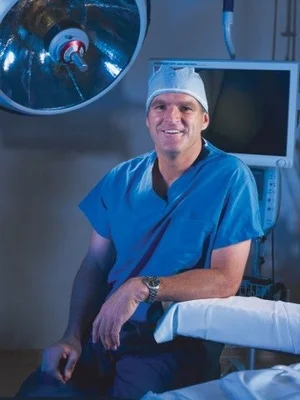
Dr. William Sterett is a board-certified orthopaedic surgeon specializing in knee and shoulder injuries at Vail-Summit Orthopaedics $ Neurosurgery. A former U.S. Ski Team physician, he has extensive experience caring for elite ski racers and active mountain athletes.